
Media Literacy Portfolio
In my undergraduate studies at Ithaca College I completed an interdisciplinary Media Literacy Minor alongside my coursework in screenwriting and photography. Developing an early focus in Media Literacy informed these creative and professional pursuits of mine as much as it did my personal development. Gaining an elevated understanding of different individuals' relationships with media, including my own, was essential in developing my self-image-making artistic process.
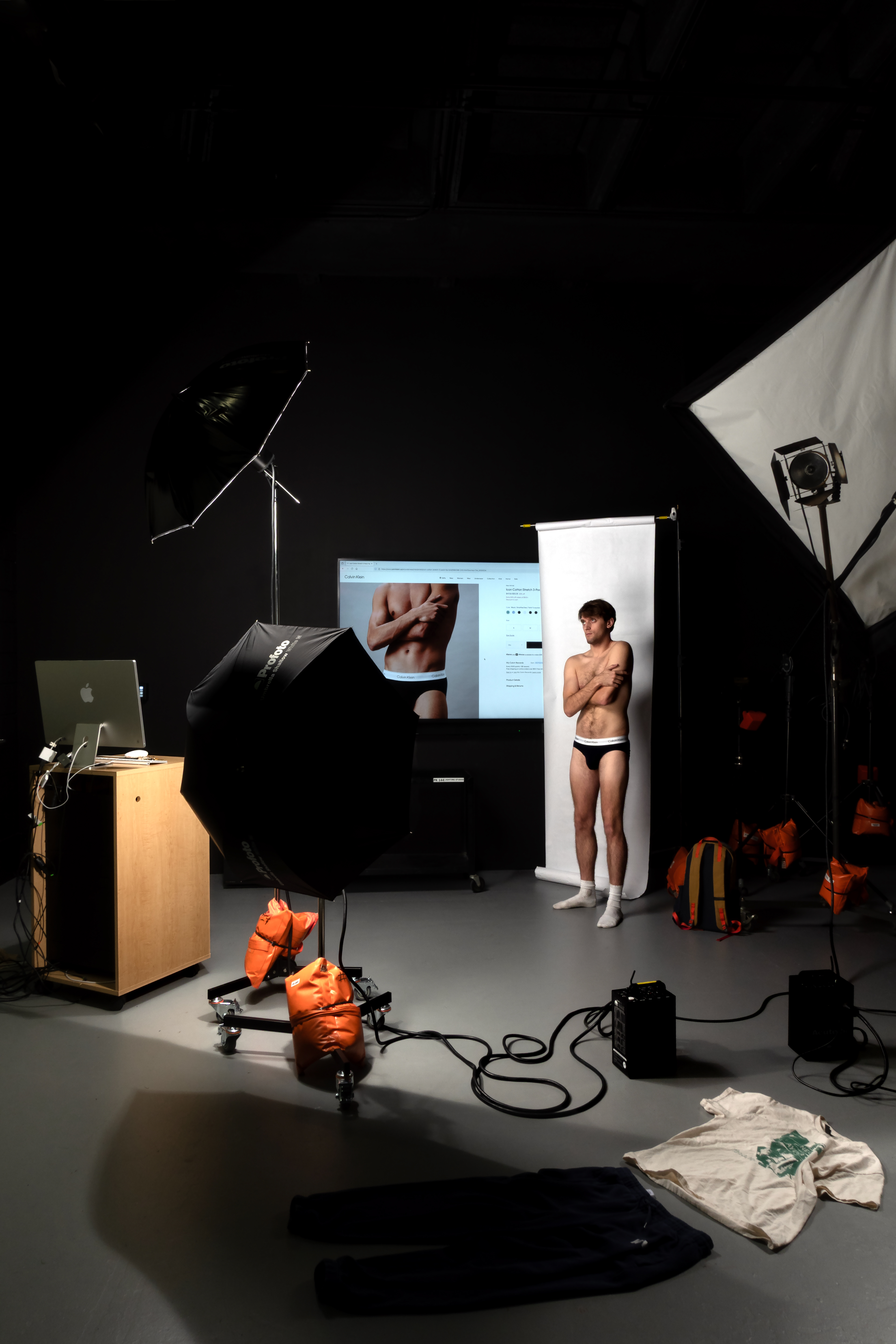
Media creation and reception interrogated in my series Online Shopping (2025) in this image which I named www.calvinklein.com.
My Chosen Media Literacy Minor Curriculum
Required Core Courses of Study:
PSYC 11000: Media Literacy and the Psychology of Inquiry
TVR 12400: Introduction to Media Industries
Interdisciplinary Media Analysis Perspectives Requirements:
CNPH 24000: History of Photography
ENGL 27400: Golden Age of Children's Literature
Media Creation Requirement:
CNPH 14100: Intro to Photography
Media Literacy Application Requirement:
Internship: National Association for Media Literacy Education
Scroll through my portfolio to explore how these educational choices added up to my personal perspective regarding media.
What is Media Literacy?
According to Project Look Sharp at Ithaca College...
"Media Literacy is the ability to access, analyze, critically evaluate, and produce communication in a variety of forms. It is similar to information literacy and involves many components of technology literacy as well."
MEDIA LITERACY INVOLVES:
- Learning how to use media wisely and effectively
- Engaging in critical thinking when evaluating media messages
- Being able to evaluate the credibility of information from different sources
- Recognizing media’s influence on beliefs, attitudes, values, behaviors, and the democratic process
- Encouraging participatory citizenship
- Achieving greater understanding and appreciating multiple perspectives
- Learning to produce communication and express oneself using different forms of media
- Learning how to use media wisely and effectively
- Engaging in critical thinking when evaluating media messages
- Being able to evaluate the credibility of information from different sources
- Recognizing media’s influence on beliefs, attitudes, values, behaviors, and the democratic process
- Encouraging participatory citizenship
- Achieving greater understanding and appreciating multiple perspectives
- Learning to produce communication and express oneself using different forms of media
Visit the Project Look Sharp Website to learn more about this "non-profit, mission-driven outreach program of Ithaca College."
6 KEY CONCEPTS IN MEDIA ANALYSIS:
1. All media messages are “constructed.”
2. Each medium has different characteristics, strengths, and a unique “language” of construction.
3. Media messages are produced for particular purposes.
4. All media messages contain embedded values and points of view.
5. People use their individual skills, beliefs and experiences to construct their own meanings from media messages.
6. Media and media messages can influence beliefs, attitudes, values, behaviors and the democratic process.
1. All media messages are “constructed.”
2. Each medium has different characteristics, strengths, and a unique “language” of construction.
3. Media messages are produced for particular purposes.
4. All media messages contain embedded values and points of view.
5. People use their individual skills, beliefs and experiences to construct their own meanings from media messages.
6. Media and media messages can influence beliefs, attitudes, values, behaviors and the democratic process.
Project Look Sharp is led by my Media Literacy Minor Advisor, Dr. Cyndy Scheibe, Ph.D. The above information comes from their guide "6 Key Concepts in Media Analysis" available here.
My Introduction to Media Literacy and Media Industries...
PSYC 11000: Media Literacy and the Psychology of Inquiry
In this course I studied the fundamental concepts of Media Literacy that would inform my future media making and consuming habits. Key takeaways from this course include the following lessons in addition to learning about Media Literacy as a concept, as I identify above thanks to resources from Project Look Sharp.
- Learning about "spin" in journalism and practicing applying this to convey a specific message. Identifying different techniques used to accomplish spin in conveying information, especially since all media are informed by biases of their creator.
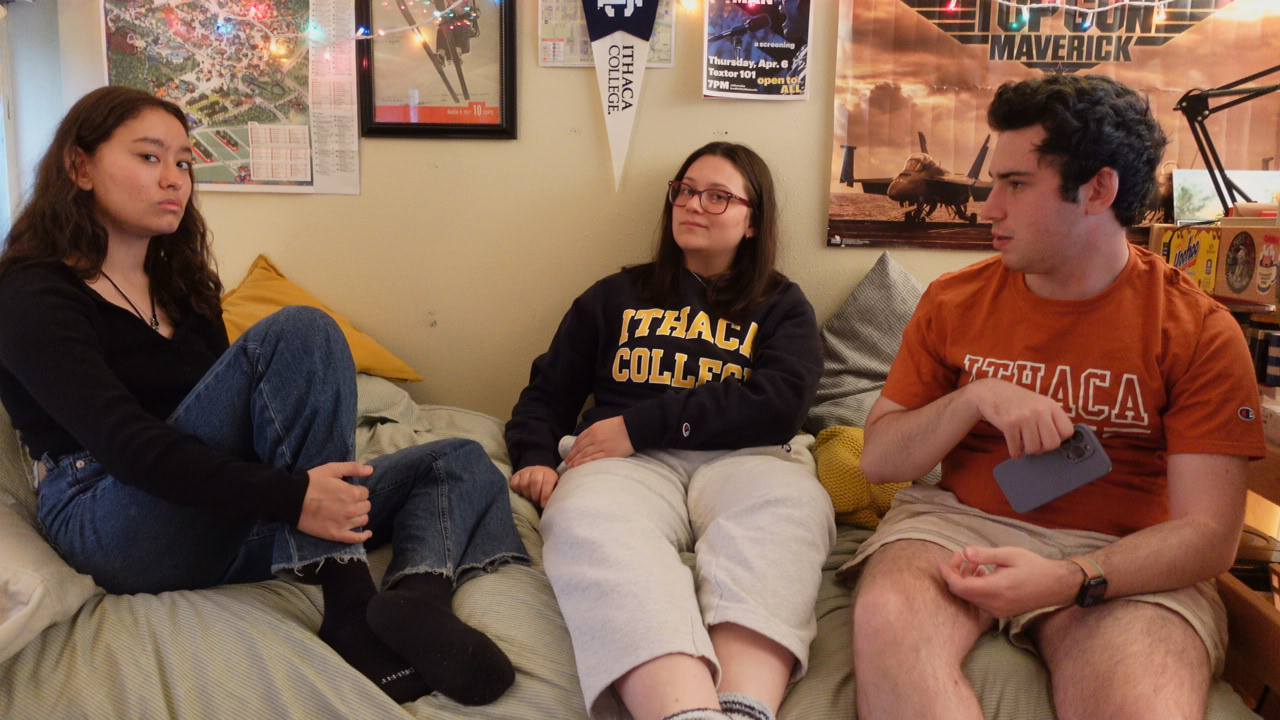
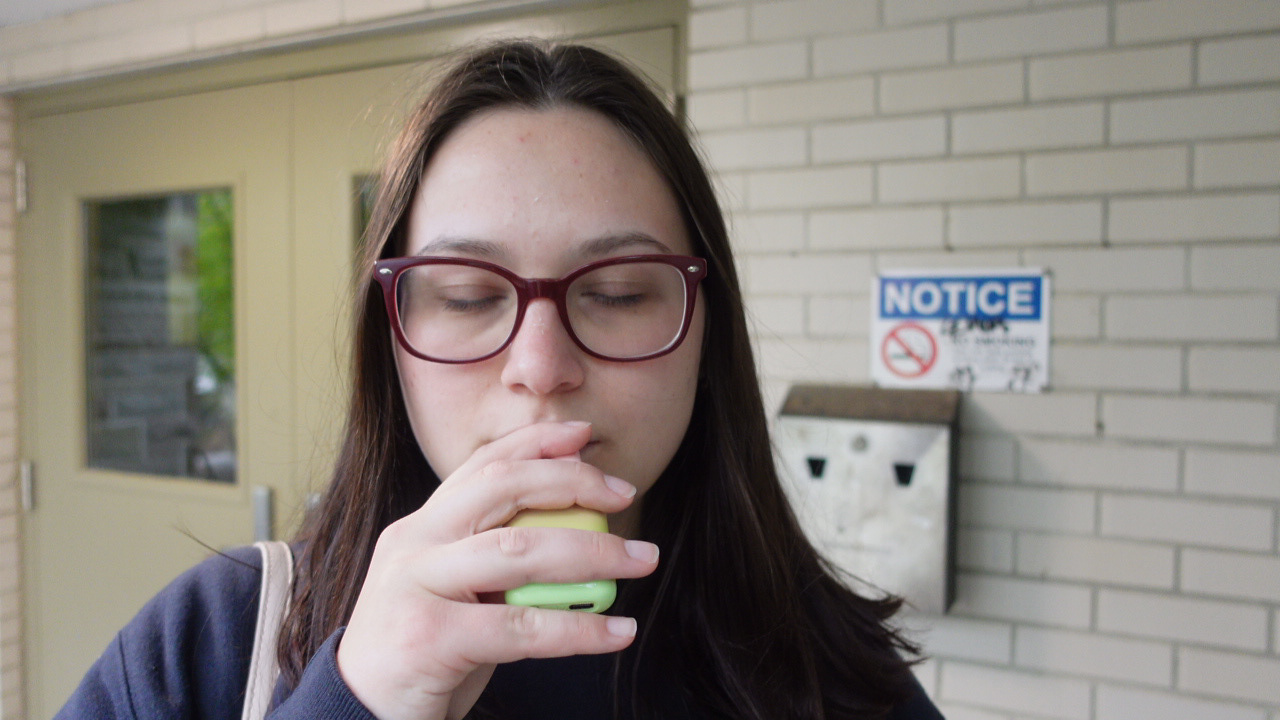
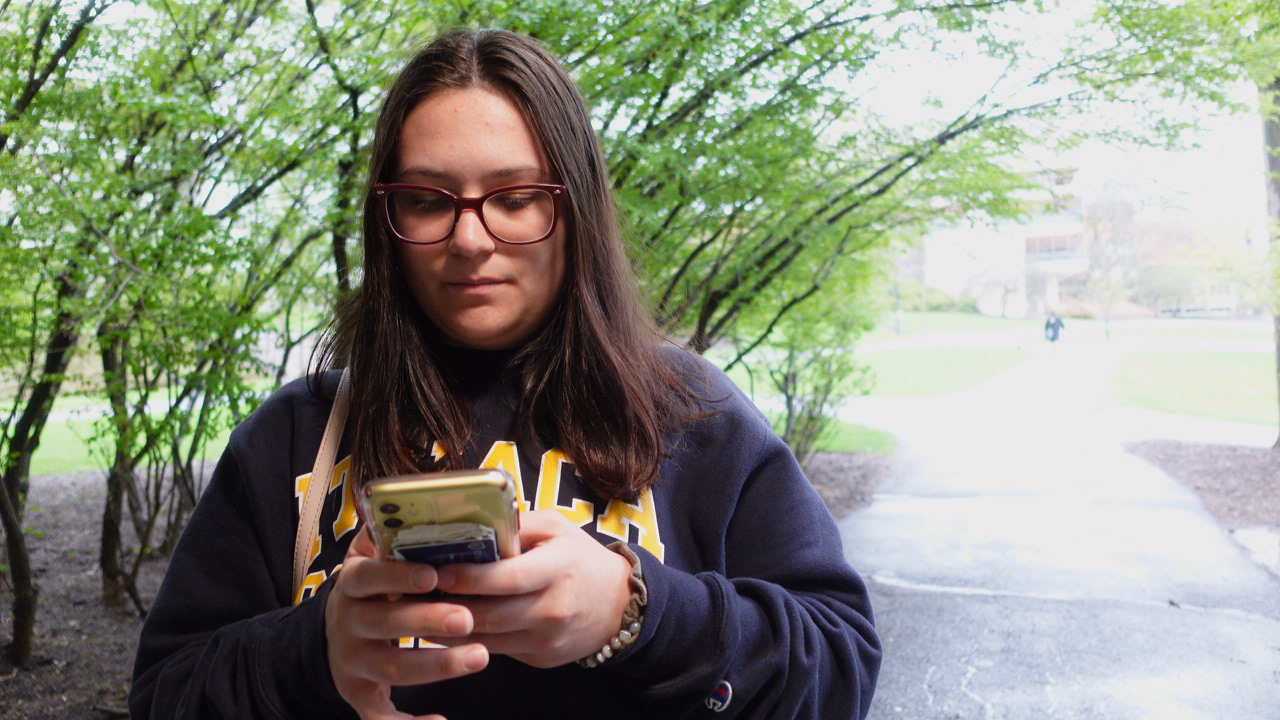
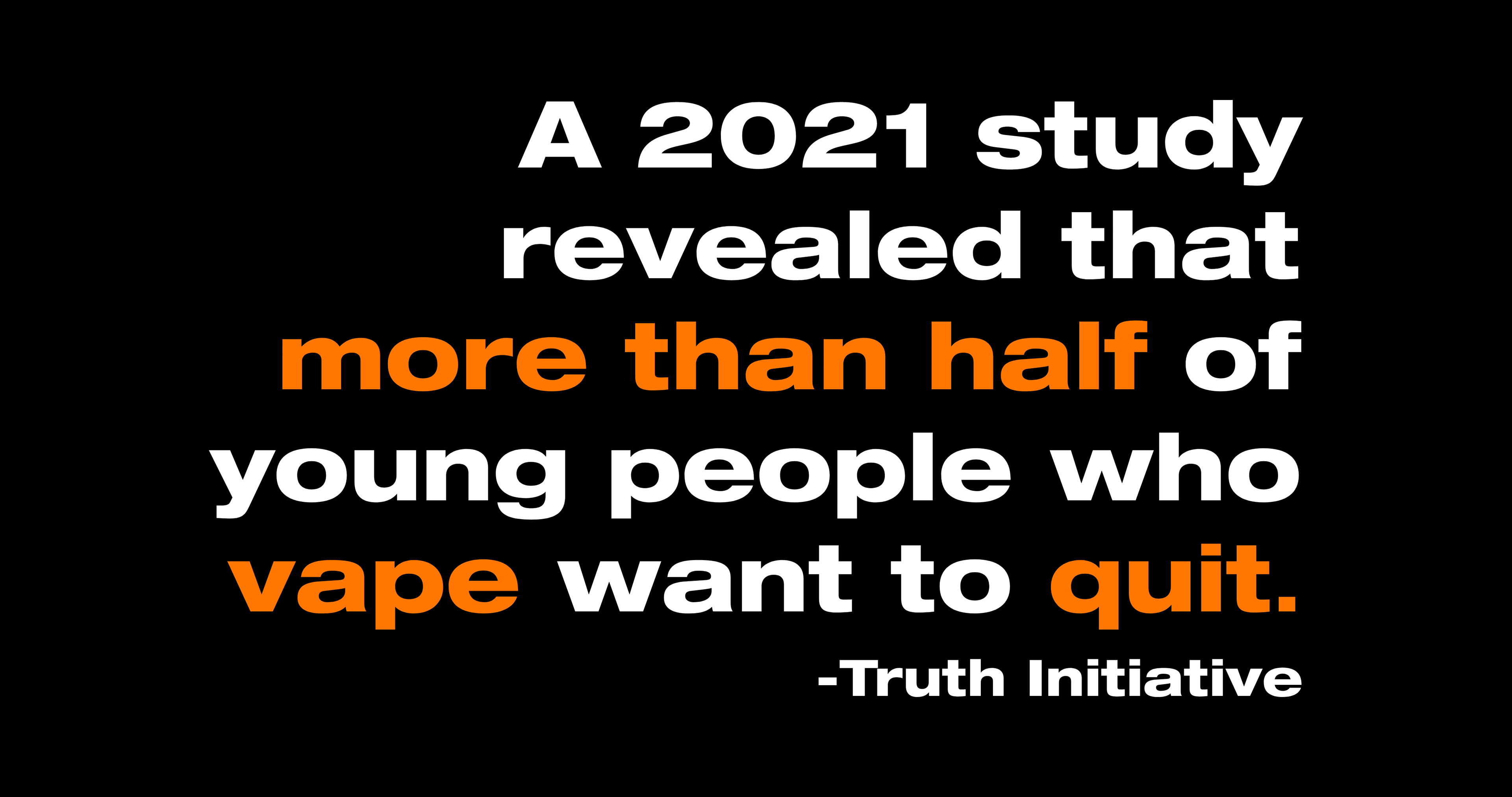
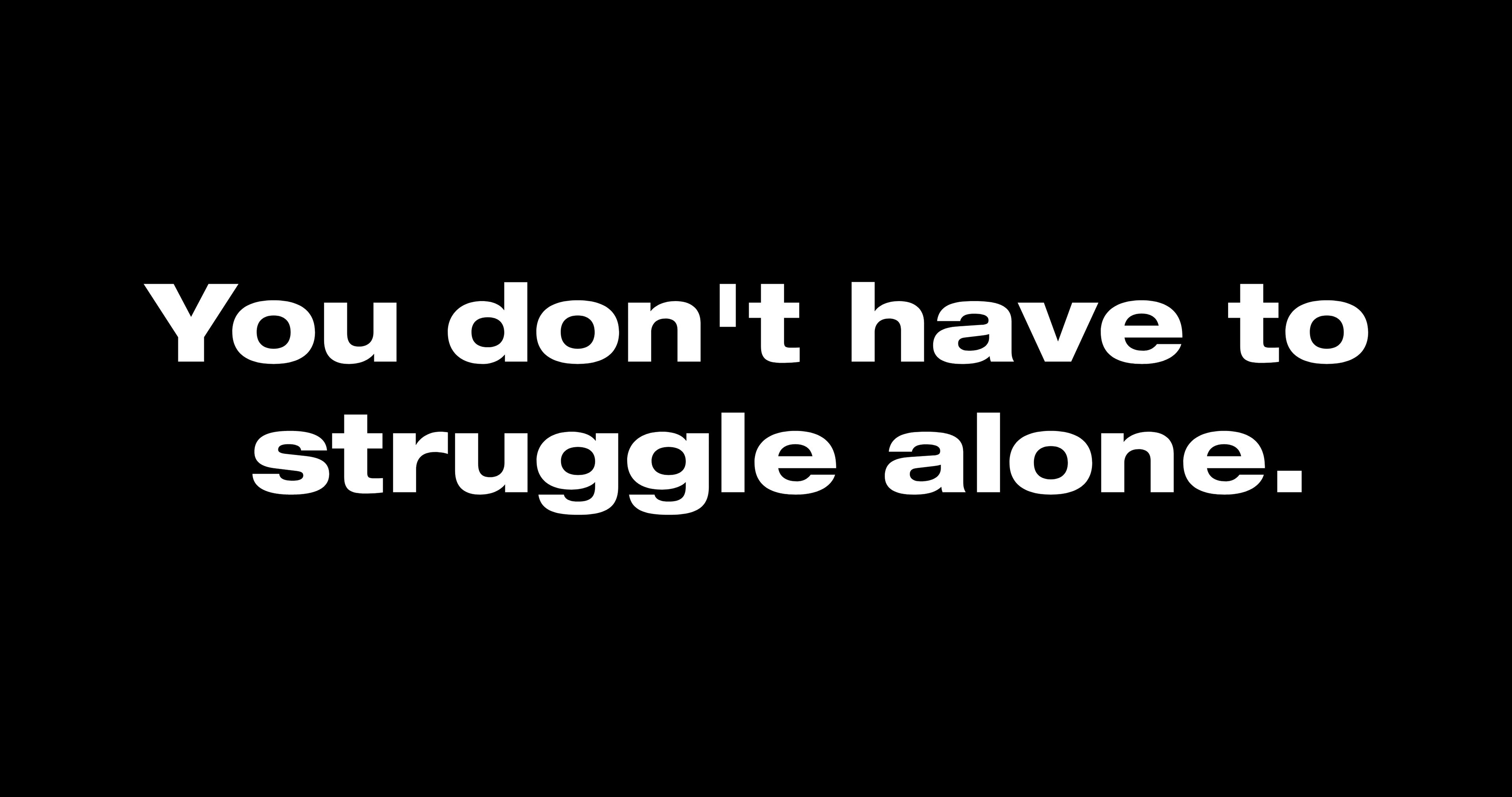
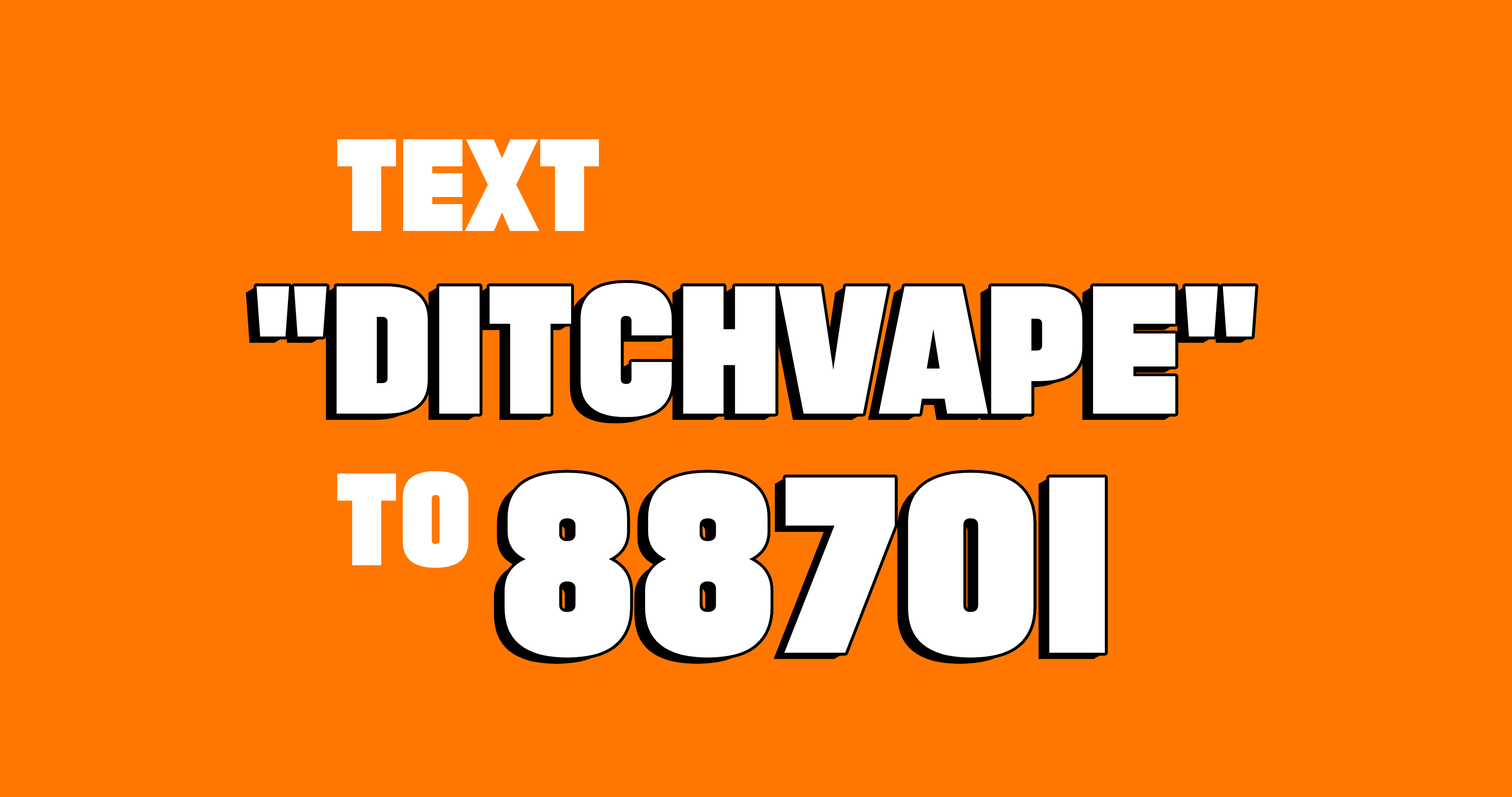
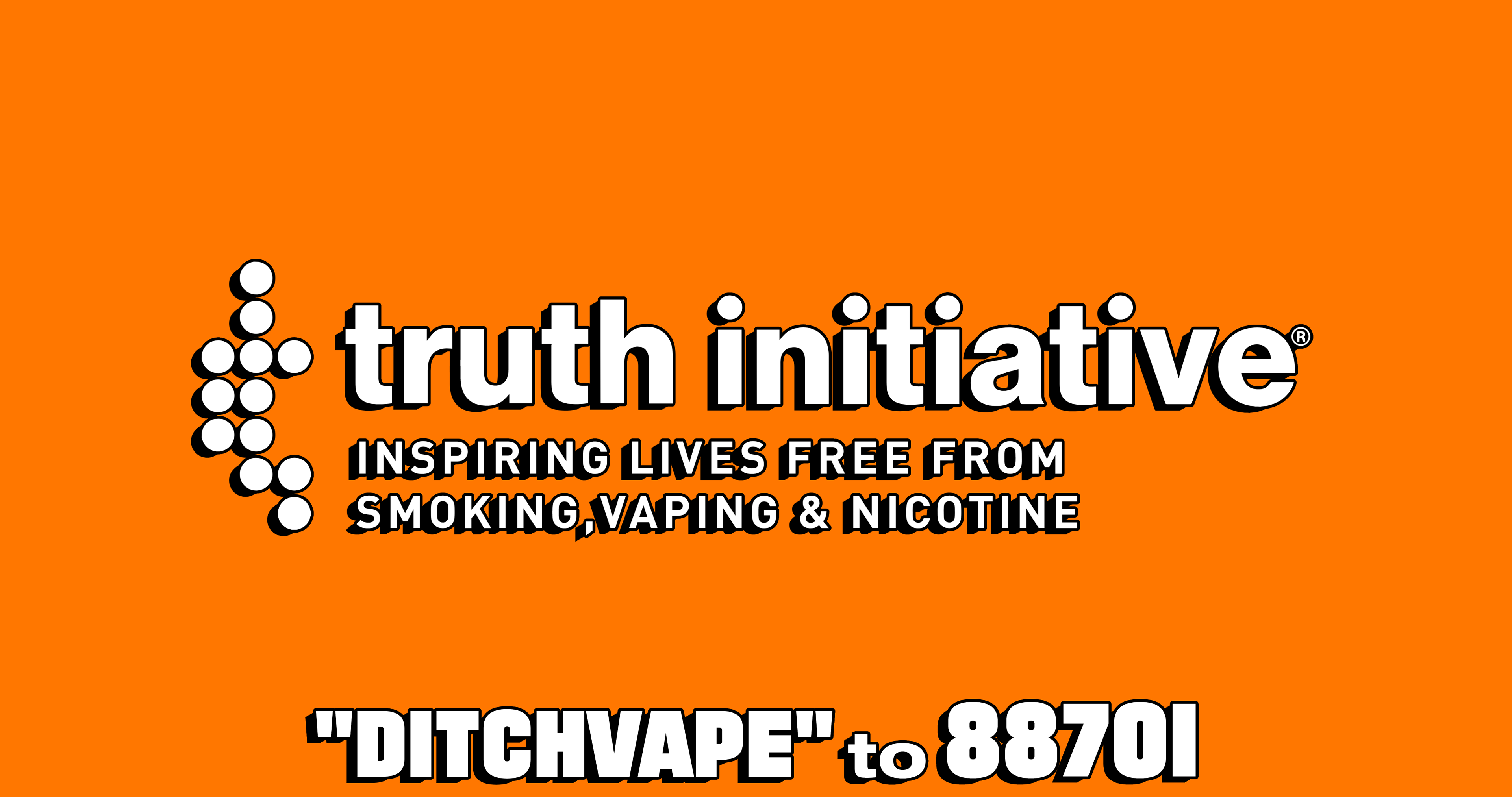
- As an introduction to media creation through a deliberate lens, completing a PSA Project for an organization in a group project setting. My group chose the Truth Initiative and practiced matching their brand identity and tone in order to make a new Public Service Announcement about vaping, which we recognized as an ongoing health issue in our social group as college students. We targeted this demographic in our sets and actors and through the humor in our project. Stills are provided below as well as information we chose to convey from Truth's studies. An important lesson this provided was the ability to create a clear action step in media. We promoted the text-based program to quit vaping that the Truth Initiative was promoting at the time.
- Completing a period of time where all media use was tracked in a logbook and reflecting on this use. During this time period I faced the reality of my media usage and the motivations I felt to use media. Since doing this exercise I have revisited it multiple times while working on personal issues related to media viewership and it led me to take multiple breaks from using my personal Instagram account. Now I maintain a professional Instagram account but no longer engage in the way I used to on a personal level, and understanding my media use in an exercise like this was instrumental in this process.
- Studying specific ideological messages in media such as ideas about gender. This topic, introduced and explored in class through evaluating advertisements and children's activity books, would come back up in almost all courses related to media I took. Media representation and messaging about certain identity groups that was studied in class informed multiple bodies of photographic work I completed such as Hit The Showers! and Gay Sex Ed.
PSYC 11000 PSA Group Project: Truth Initiative

TVR 12400: Introduction to Media Industries
In this course I studied a general survey of the way that Hollywood and American Media Industries are operated, allocate funding to projects, seek monetary gain, and strategize when portraying financially-driven media messages. One of the most important lessons in this class was focused on the key functions of Mass Media in everyday life, including surveillance of the environment, entertainment, cultural transmission, validation, and correlation of parts of society. Focusing in on this later would inform my opinions about social media, because I could recognize how the functions of features on apps like Instagram and TikTok seek to achieve as many of these functions as possible in order to create experiences for users that keep attention focused on their services. Fulfilling these functions, when paired with the ad revenue that I learned about in this course, is a powerful tool.
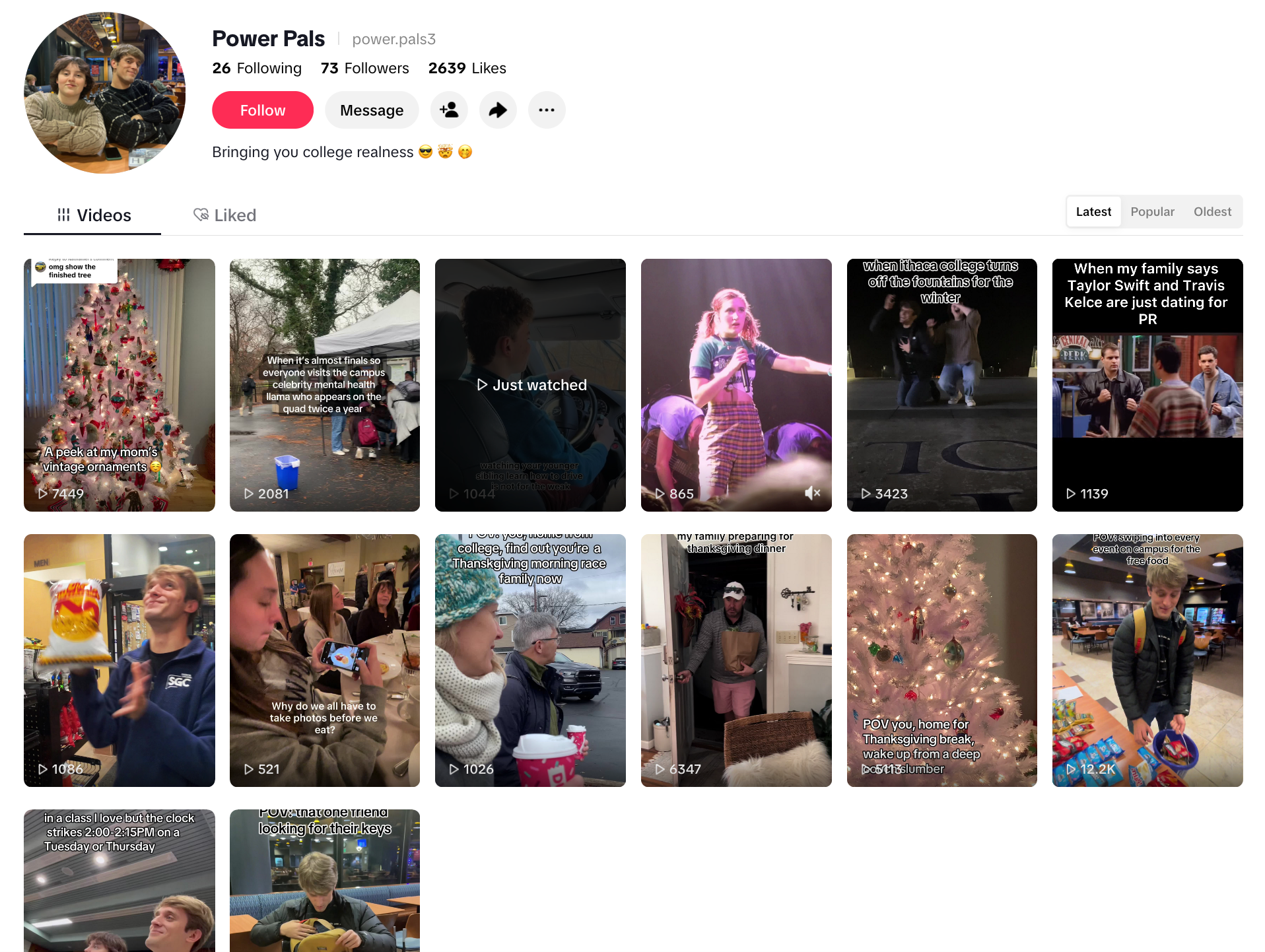
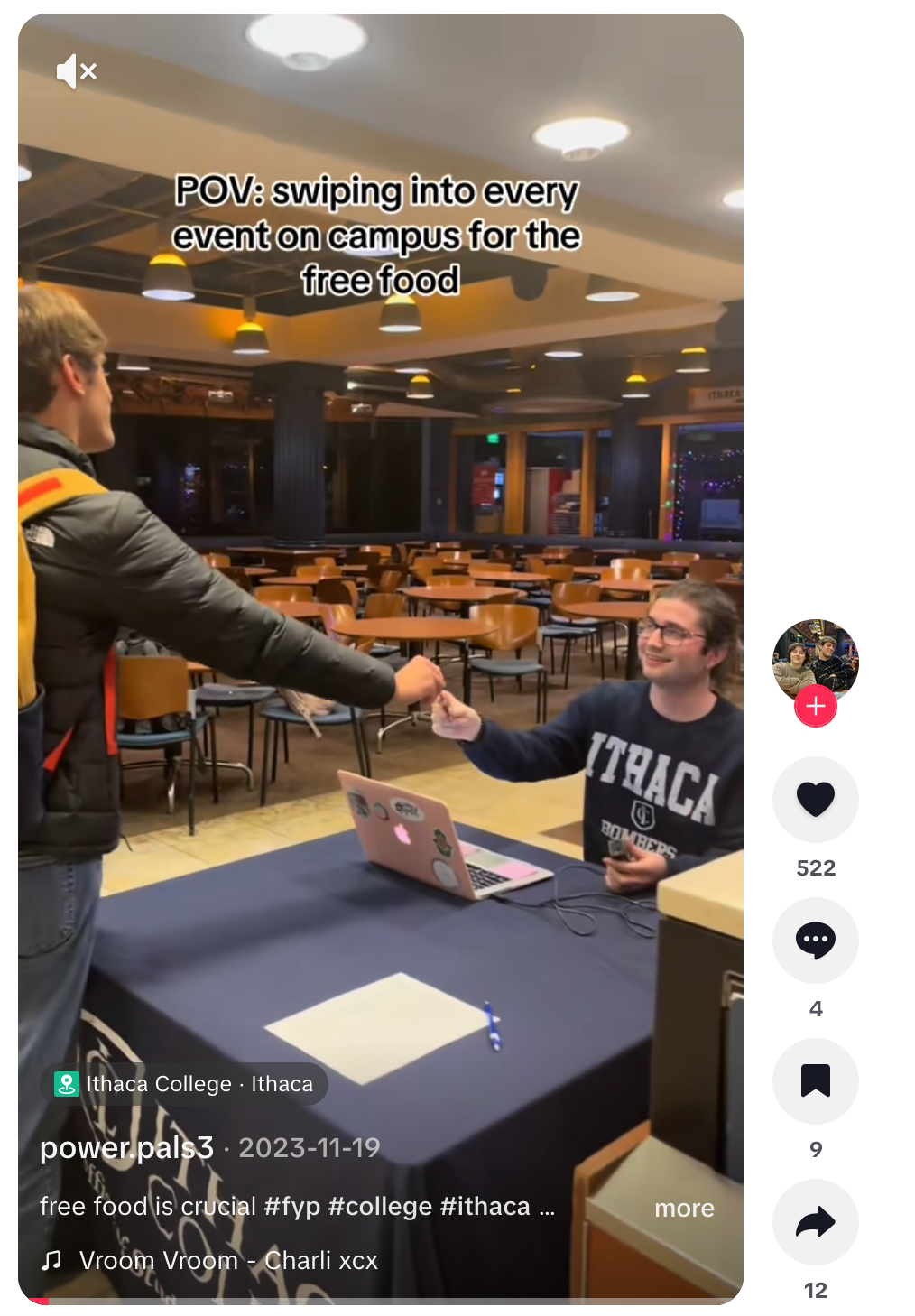
Attention is a commodity, and studying how to capture attention by making media for a mass audience in a group project in this course really proved just how deliberate all the production choices in social media content intended for a mass audience are. My group chose to make TikTok videos that targeted students in college by conveying humorous moments drawn from our school experiences. In the end, we amassed over 2500 likes in 14 videos, plus gaining additional exposure on other platforms where college-associated accounts re-posted our content. This experience helped to prepare me for my later internship with the National Association for Media Literacy Education focused in social media, which gave me further behind-the-scenes insight into the industry and strategies used in mass media.
TVR 12400 Mass Media Group Project: College Life TikTok Videos @power.pals3
How and why are we representing who?
ENGL 27400: Golden Age of Children's Literature
In this course I explored in many classic children's literature titles the emergence of the modern concepts of childhood and media for children. The depiction of childhood and of life in literature made for children, from chapbooks to Alice in Wonderland has changed so much over time. Engaging with how literature has reflecting shifting societal norms over time was a valuable experience for me as I approached other coursework that explored media throughout history as well.
CNPH 24000: History of Photography
In this course I similarly investigated media across a vast history and related it to changes in both technological and ideological shifts. Learning about the various "discoveries" of photographic image-making and how these were informed by previous image-making traditions allowed me to place myself within historical and contemporary movements as a photographer. I later would revisit alternative and antiquated processes that I learned about in this course in my darkroom photography work and other courses I completed. Because of this course, I was able to know the full scope of what production choices I can make in my work and the historical implications of such choices.
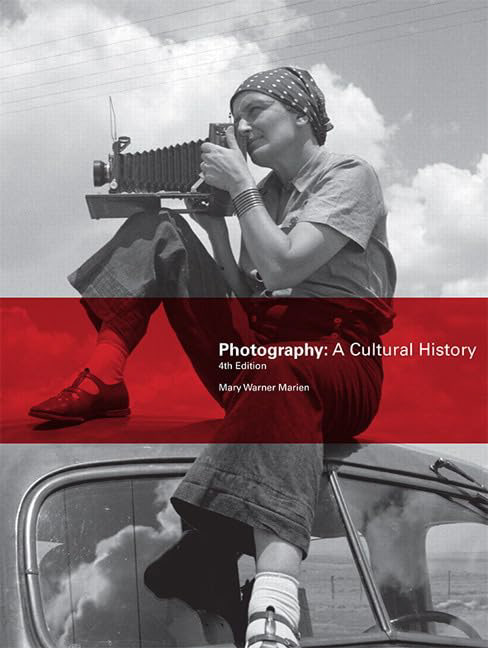
Photography: A Cultural History by Mary Warner Marien.
This textbook has become a valuable point of reference for me even beyond my coursework in History of Photography.
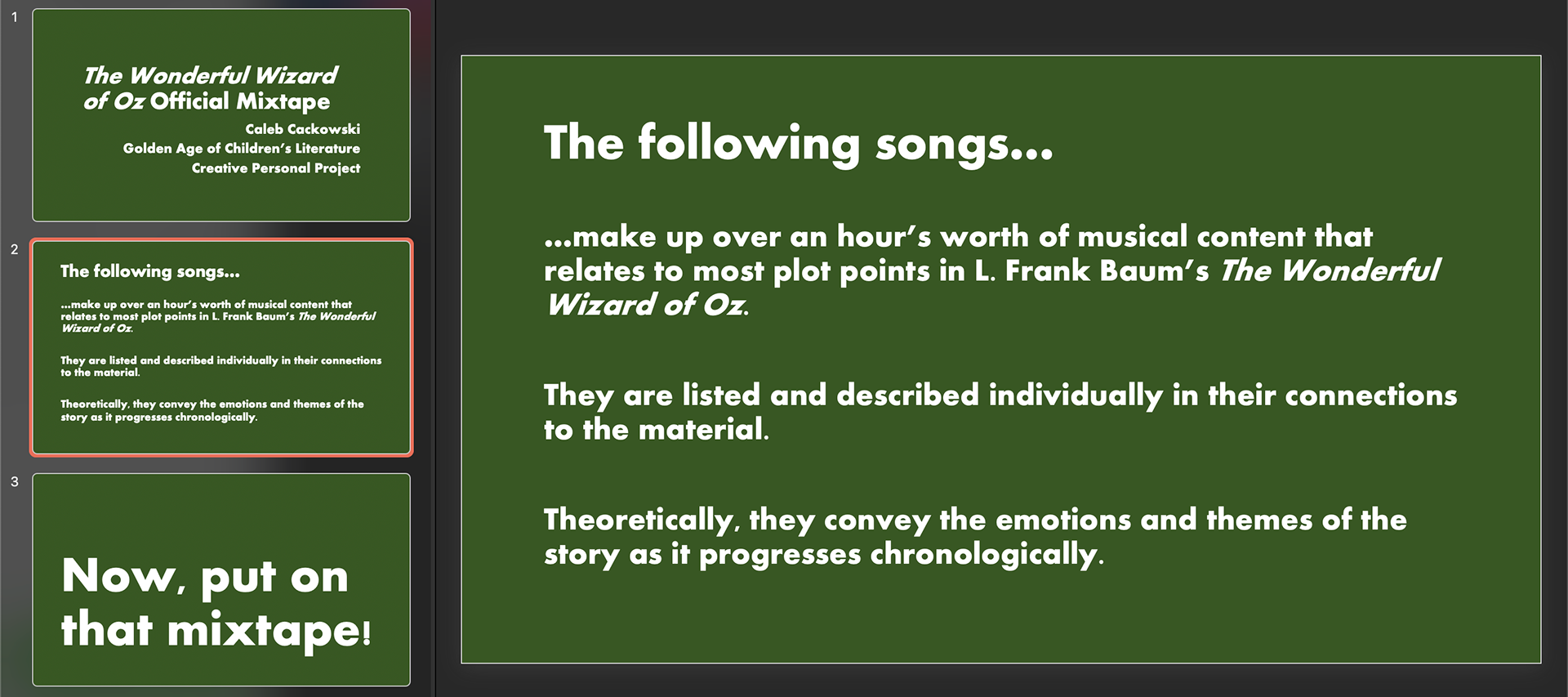
In a final Creative Project for ENGL 27400: Golden Age of Children's Literature, I broke down the original The Wonderful Wizard of Oz and created a playlist to convey each plot point in the emotional arc of the script. I stuck to the original text in my interpretation of these emotional points and sought therefore to create a new pop-cultural adaptation of the story that depicted a deeper emotional bandwidth than the 1939 classic The Wizard of Oz. Learning about how children were depicted across time in literature made me want to convey the agency and leadership that Dorothy displays in this text.
How do I fit into the media equation?
Social Media Internship at NAMLE
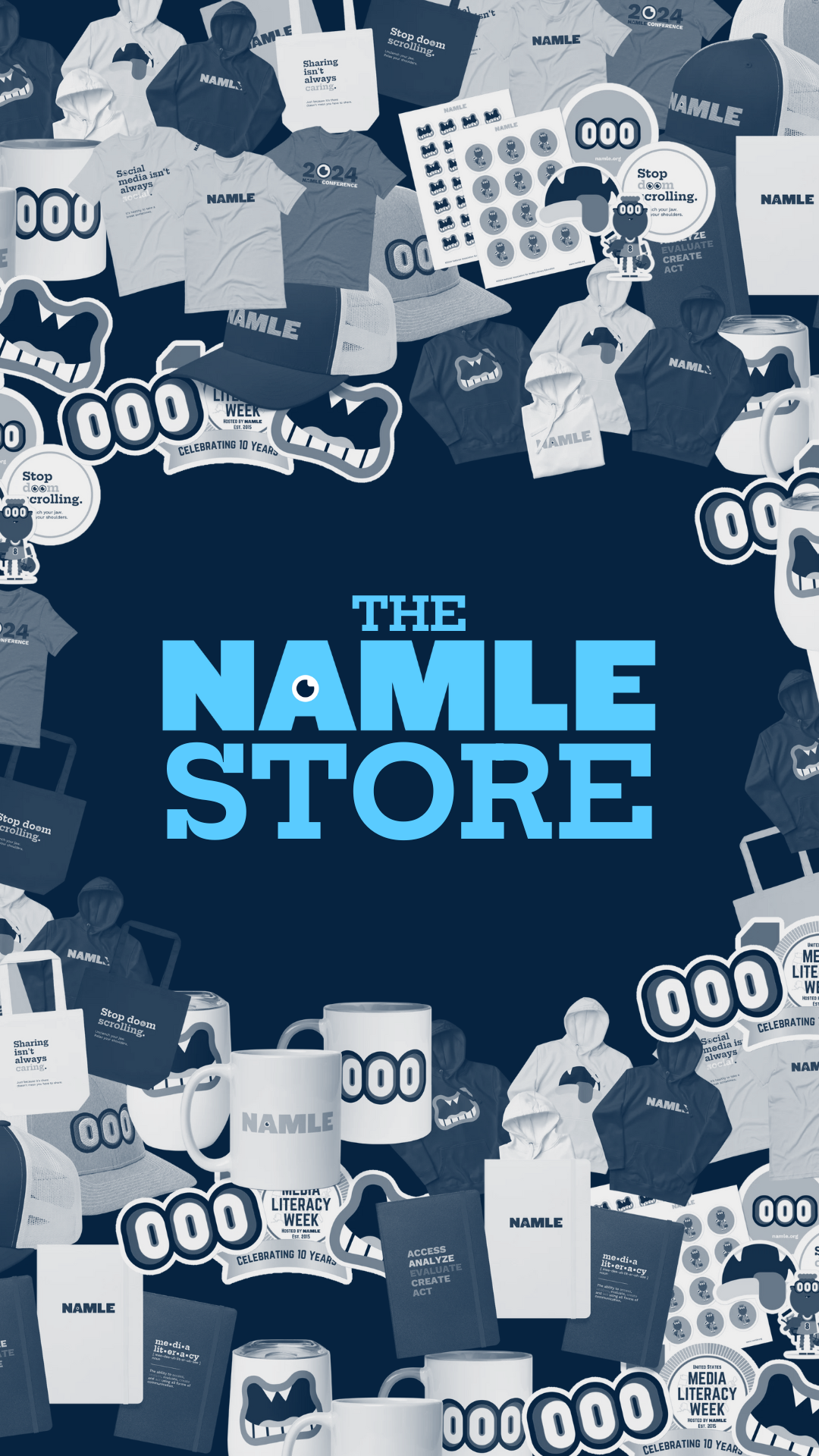
My internship at the National Association for Media Literacy Education allowed me to apply the skills I learned in my minor coursework as well as co-curricular student organization leadership roles focused in public relations. I assisted in campaigns for NAMLE's annual conference, Media Literacy Week, online store, and other areas of interest. A focus in visual design within the organization's brand identity and using the media creation site Canva to adhere to the brand logos, icons, font, colors and more while creating media was a brand new experience that I carried into my co-curricular spaces thereafter. One other area of interest for me was learning about social media management sites like HootSuite that facilitate professional cross-platform scheduling. It helped me understand how organizations strive to reach users in an accessible way through social media. I began to think about how brands try to encourage parasocial relationships between users and their accounts which appear on user feeds alongside independent users' own personal posts. Everyone has an agenda!
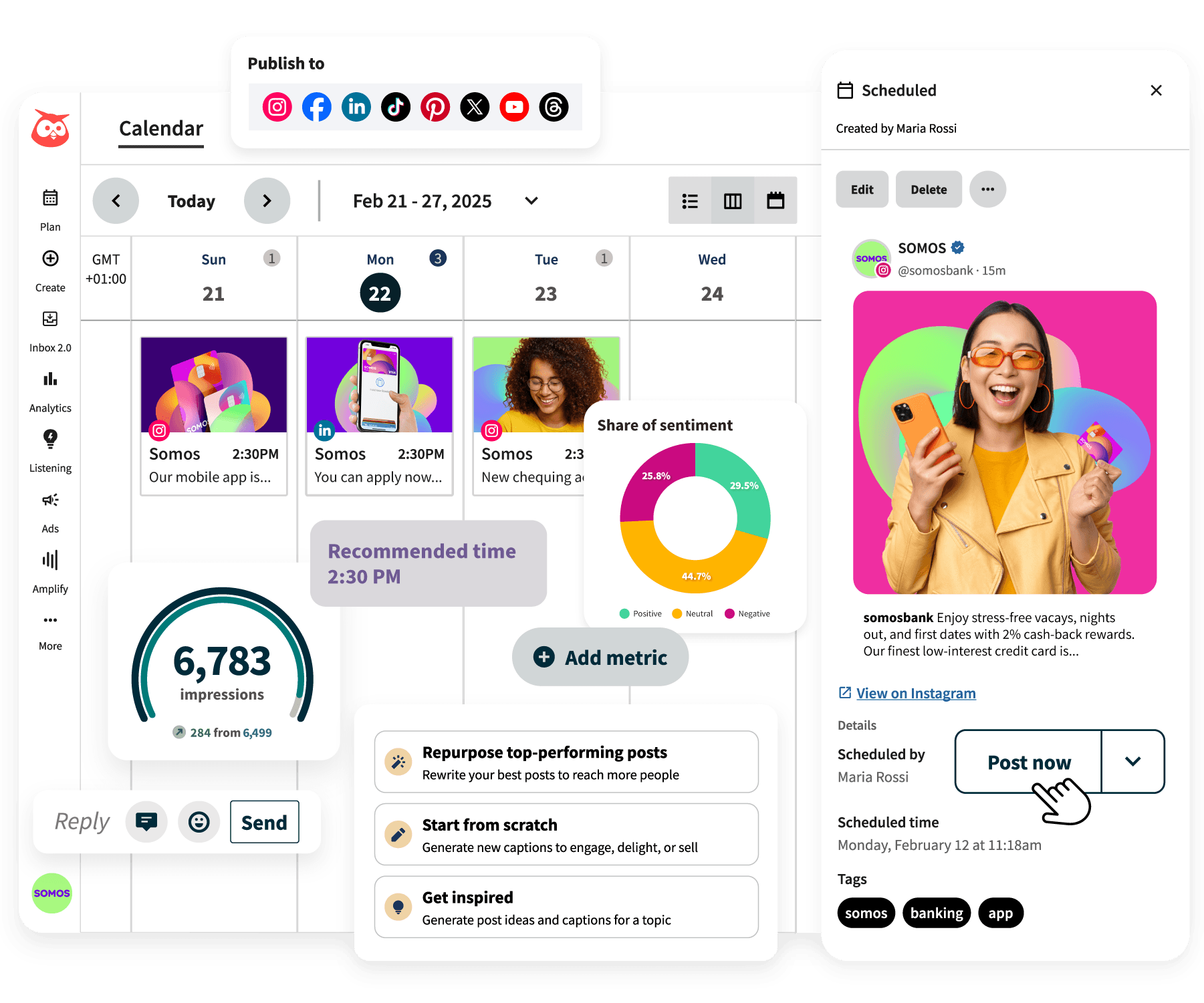
Image from Hootsuite's tutorials page.
NAMLE Social Media Internship and Representing NAMLE and Media Literacy on Campus
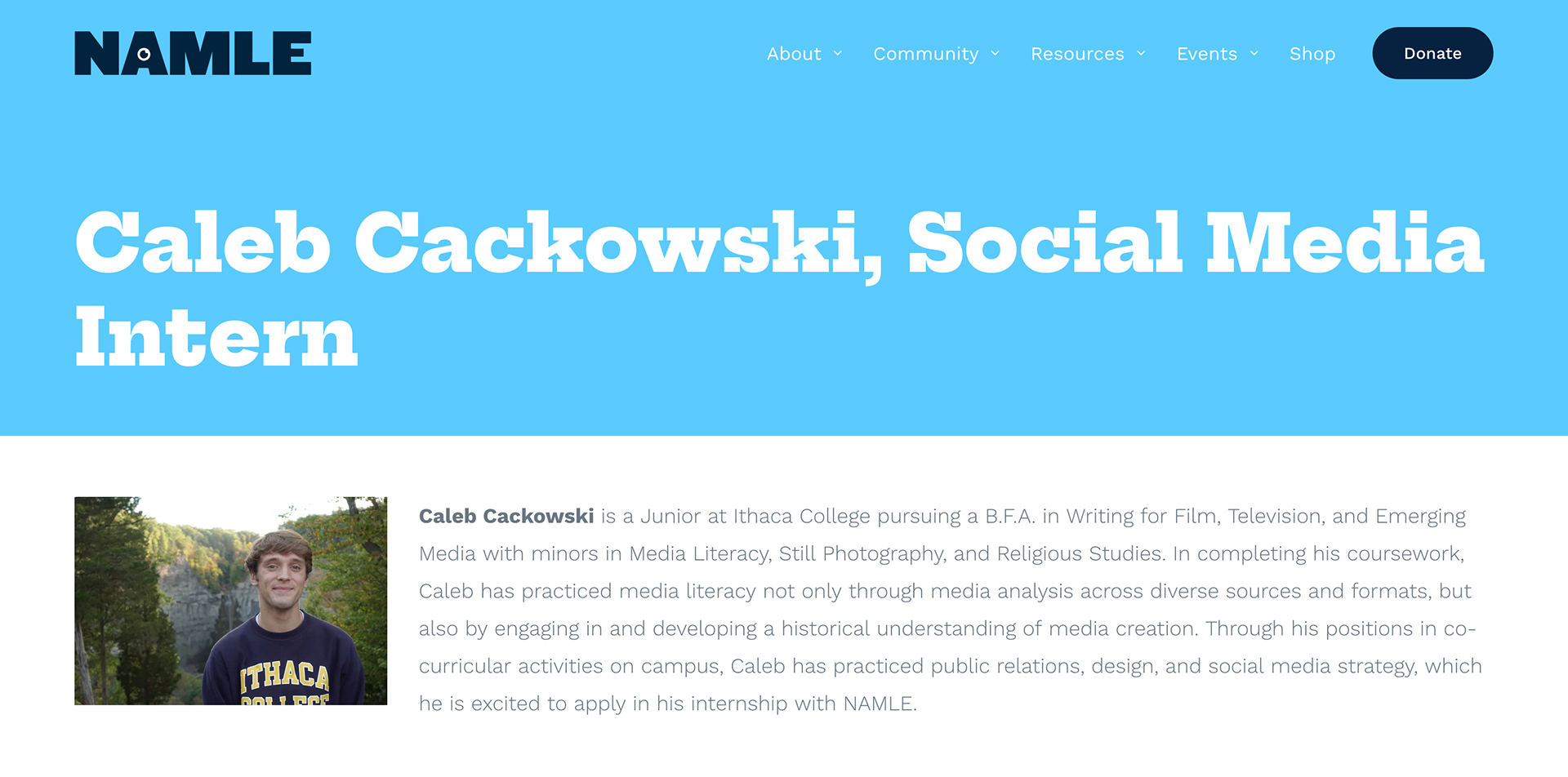
My profile on the NAMLE site for my role as Social Media Intern. Click to visit the NAMLE page.
NAMLE Internship Posts: A clear action step was important while creating Instagram posts. Brand identity, including different styles for different topics, was another factor in my design choices. Here's a selection of the Instagram posts I created for different objectives:
- Introduction to Generative AI for Parents adapted from a NAMLE collaboration with Roblox: view it here.
- Questioning Generative AI for Teens adapted from a NAMLE collaboration with Roblox: view it here.
- Featured NAMLE Conference Sessions post, designed to be shared to stories for engagement: view it here.
- Post targeting Educators and promoting NAMLE resources for U.S. Media Literacy Week: view it here.
- Reel promoting the launch of the NAMLE store and demonstrating text-based reel possibilities: view it here.
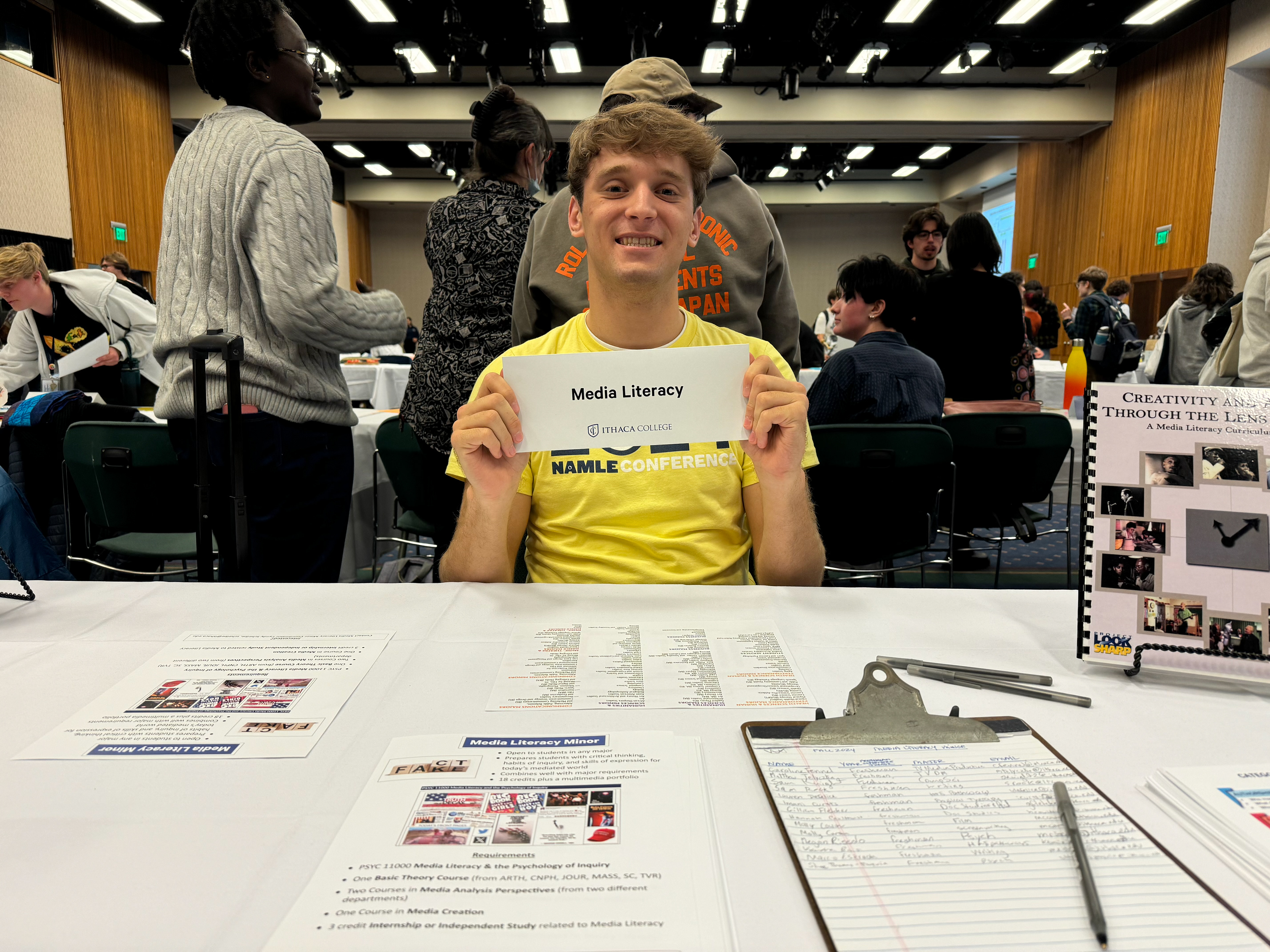
I was proud to represent the Media Literacy Minor at the Majors and Minors Fair one semester while discussing my internship at NAMLE and how the experiences I gained through the minor created connections across all my coursework.
Can I work inside the system?
CNPH 14100: Intro to Photography
This course, combined with my interest in Media Literacy and my various media history courses, launched my eventual Still Photography Minor. I took the media production requirement to a new level by continuing coursework in this minor that applied media literacy principles and conveyed them in the messages I sought to create. In this introductory course, I learned the foundational techniques that would become the rules to break in later projects.
Confronting media representations related to my identity as a gay man has become a driving force in my creative life that I attribute to the skills I practiced in my minor coursework. Analyzing what has been communicated about LGBTQ+ people in so many media messages has informed what I wish to convey in my own as a creative.
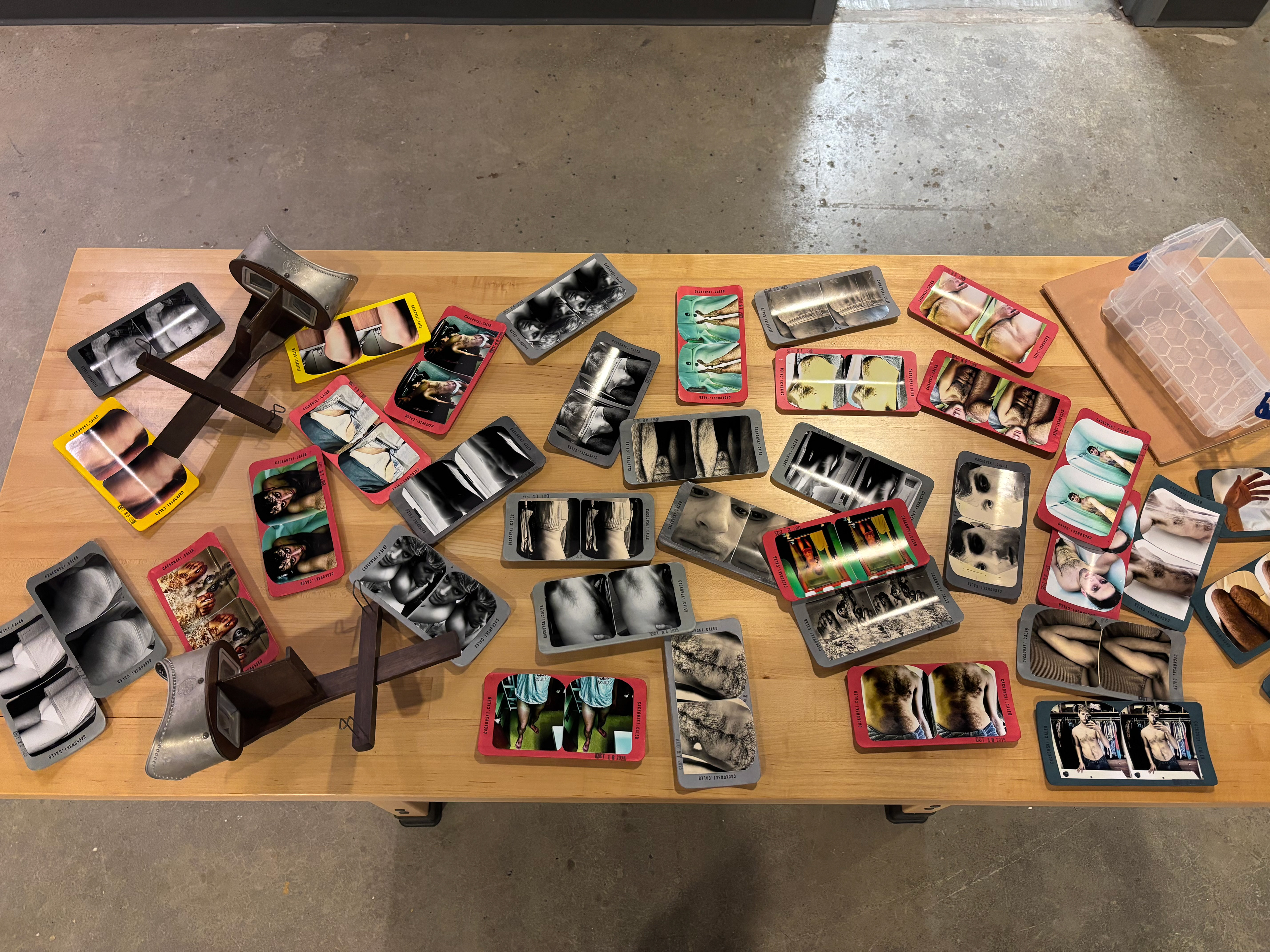
My series For Your Eyes Only (2025) is the culmination of much progress in creating projects that seek to encourage viewers to question their own relationships with media. This goal began in my Introduction to Photography course but because of my Media Literacy Minor felt unified throughout my studies.
Beyond the Minor...
While not fulfilling specific requirements for the Media Literacy Minor, all of my coursework across my Writing for Film, Television, and Emerging Media Major and Still Photography Minor contributed to a well-rounded perspective of media production and analysis. The Media Literacy Minor provided a through-line in my curriculum across programs because I was always ready to ask questions of authorship, motivation, intent, financial significance, representation. ideology, and more in both the media I was tasked to analyze and to create in my undergraduate studies at Ithaca.
Additional Relevant Coursework and Presentations:
- Fiction Film Theory, a writing intensive course.
- All Photography Minor Coursework.
- Presentations at the Whalen Symposium on a Buddhist Lens of Film Criticism and my personal artistic practice of "Self-Image-Making."
- History of Film, Television, and Emerging Media Parts I & II.
- Presentations on banned queer graphic novels and professional practicum with the Graphic Novel Advisory Board at the MAPACA Conference and multiple public libraries.
Titles of Personal Interest:
- Photography: A Cultural History by Mary Warner Marien
- Picturing Men: A Century of Male Relationships in Everyday American Photography by John Ibson
- Inclusive Screenwriting for Film and Television by Jess King
- The Celluloid Closet by Vito Russo